Monday, December 25, 2023 Hear ye hear ye the Antilopidae,
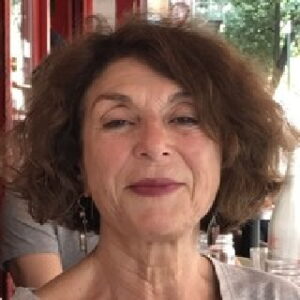
On January 5th, “Cherche David éperdument,” the new novel by Paule Darmon, will be published by L’Antilope.
Perhaps you’d be curious to know everything that happened before the book came out of the printers… For example, how Paule Darmon came up with the idea to tell this story. How she sent us her manuscript. And what happened in the obscure offices of L’Antilope until the book was published. Well, you know what? We’ll tell you!
The series begins tomorrow and will continue until January 5th. See you tomorrow.
Tuesday, December 26, 2023
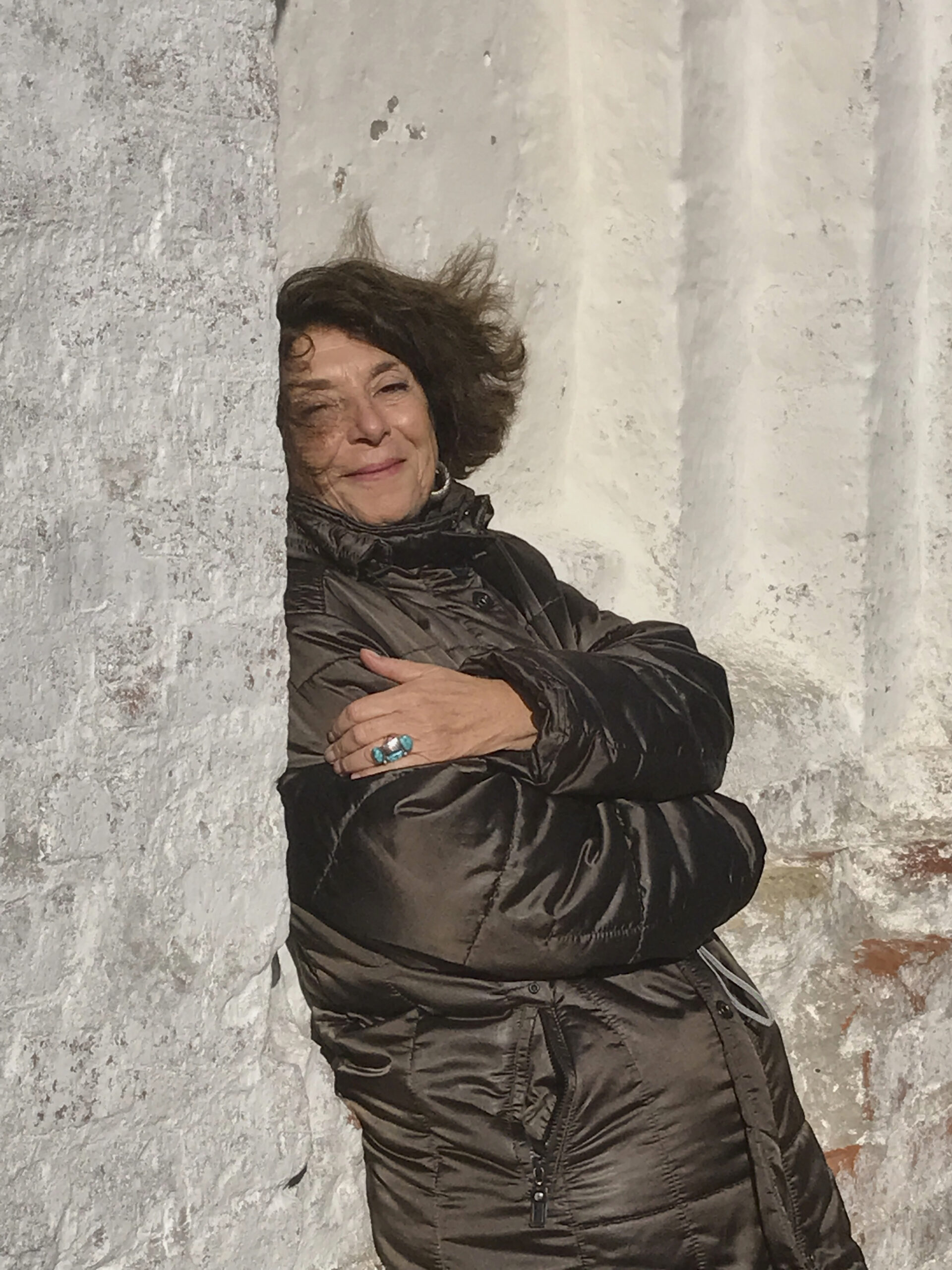
Since yesterday, we imagine you’ve been gripped by a devouring impatience to find out how « Cherche David éperdument » (Looking for David) was written, Paule Darmon’s novel, due out on January 5. Today, Anne-Sophie took out her Tintin-style reporter’s notebook to interview Paule Darmon about the genesis of her project. Well, since Paule lives in Buenos Aires, we can tell you that the interview was conducted thanks to the most modern means of communication.
Paule Darmon: « It all began with a mint tea at my mother’s house one afternoon in 1992, where Perla, one of her friends from Morocco, told us a colorful story about her brother David, who, at seventy-eight years old, retired from business and half-dead with boredom, found all his energy again when he received a call from the woman he had been madly in love with in Fez in 1928: a young French woman who had arrived from Algeria with her mother, whom rabbinical strictness had forbidden him to marry, because a Cohen does not marry a convert. »
So what’s this story all about? How could a surname, Cohen in this case, prohibit one from marrying anyone who ever one wants? It’s because, according to Jewish law, a person who bears the name, and therefore the title of Cohen (« priest » in Hebrew) is the descendant of Aaron, the brother of Moses, who was the first priest of the Hebrews at Sinai; and since then, « priests » are not allowed to marry a divorced woman or even a converted woman, so other Jews can do as they please. So, we understand that in the very traditional Morocco of the 1930s, it was difficult to escape this law.
How did Paule Darmon use this story to make a novel? You’ll find out tomorrow.
Wednesday, December 27, 2023
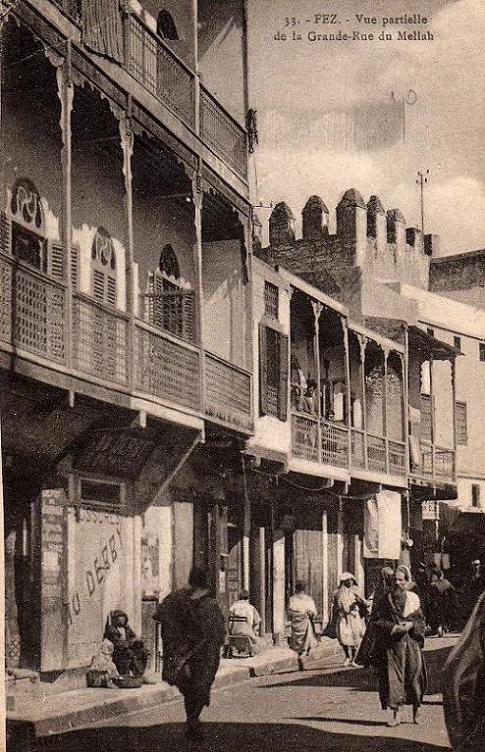 We were just yesterday at the moment when Paule Darmon was drawn into a story told to her by an old Moroccan lady: a Cohen prevented, in the 1930s, from marrying the love of his life on the pretext that she was not Jewish and that a Cohen could not marry a convert.
Anne-Sophie, our reporter and editorial director, continued to interview Paule Darmon to find out more, and here is what the author (let’s point out that Paule can’t stand being called « author »), keen to keep the suspense about her book, nevertheless confided: « This tragedy was all the more tragic because Claire, the chosen one, secretly bore the fruit of their love. In short, a tragedy that in no way prevented the earth from turning and life from continuing. And so, fifty years later, young Claire, briskly going on seventy-two, reappears without warning.
A thwarted passion set against the backdrop of colonial Morocco, with the added bonus of a seventy-two-year-old heroine in search of her first love, it didn’t take much more to set my brain boiling.
But to turn this tragedy into a novel, Paule Darmon made a reversal. How? That’s what you’ll discover tomorrow in the next episode…
Thursday, December 28, 2023
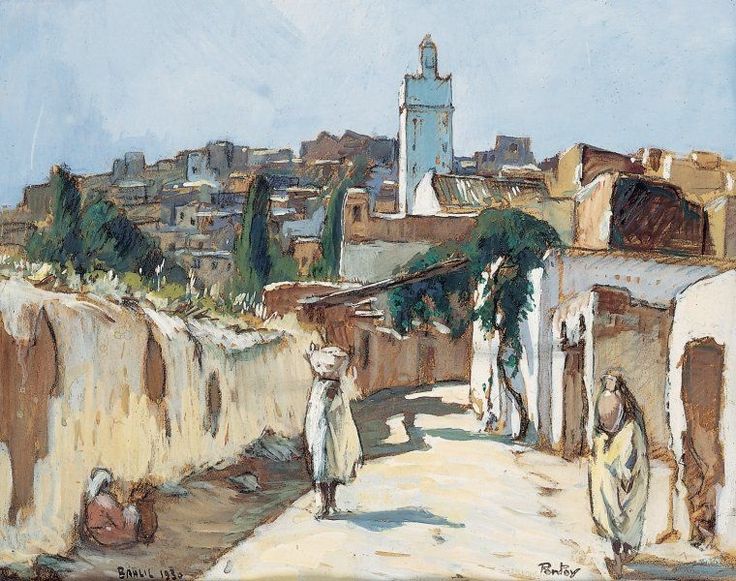 Yesterday, we promised to reveal how Paule Darmon turned the story she was telling on her head to construct her novel.
In fact, we at L’Antilope, when Paule sent us her manuscript, didn’t know what story she was inspired by. Paule was born and raised in Morocco in a Jewish family, so we naturally expected Claire, her heroine, to be her double. Pff… how simplistic publishers can be sometimes…
Paule Darmon : « L’histoire que m’a racontée Perla, l’amie de ma mère, était contée du point de vue de l’homme, de David. C’est lui qui se laissait surprendre à soixante-dix-huit ans, par l’amour de sa vie qu’il avait perdu de vue depuis plus de soixante ans et qui avait fini par le retrouver. Moi, j’ai eu envie de raconter cette histoire du point de vue de la femme. Je me suis mise dans la peau de Claire, j’ai eu envie de la saisir alors qu’elle a plus de soixante-dix ans, et de lui faire remonter le temps jusqu’à l’amour de ses quatorze ans à Fès. Ça, c’est le premier retournement. Et le second, c’était de me mettre dans la peau de cette jeune fille non juive, fille d’une pied-noir d’Algérie, et de raconter comment ces femmes et ces hommes, juifs autochtones, colons non-juifs, entraient en relation dans le Maroc et l’Algérie de l’époque. Évidemment, je voulais parler d’un temps que je n’ai pas connu puisque je suis née après guerre. Alors il m’a fallu faire beaucoup de recherches…»
Ces recherches, Paule Darmon vous en parlera dans l’épisode de demain
Vendredi 29 décembre 2023
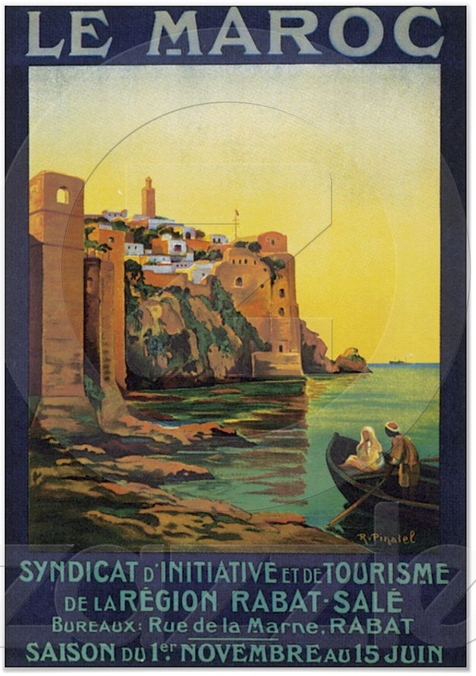 Nous en sommes restés au moment où Paule voulait nous raconter les recherches qu’elle a effectuées pour écrire son roman. Alors sans plus tarder, nous lui laissons la parole.
Paule Darmon : «Un film. En fait, cette histoire, je la voyais en film : un couple d’amoureux sur fond de couleur locale, des paysages grandioses, une reconstitution historique et une vieille dame encore jeune et sexy nous menant du Maroc de 1928 à celui de 1992.
L’écriture du scénario exigeant une mise à jour de mes souvenirs d’enfance, j’entrepris une recherche tous azimuts sur le Maroc des années 30, écumai bouquineries et marchés aux puces, à la recherche de guides touristiques, de cartes postales anciennes, de romans et de récits de voyages. Avec le même souci d’authenticité, j’interrogeai oncles, tantes, amis et vieux fassis, accumulant ainsi une documentation considérable qu’il me semblait devoir compléter par une saisie à bras le corps de la réalité marocaine afin d’engranger de l’image et de vérifier que la maison Cohen correspondait bien aux dires de Perla. »
Là, on reconnaît bien notre Paule Darmon, celle de son précédent roman « Robert De Niro, le Mossad et moi », l’histoire d’une cinéaste qui remue ciel et terre pour produire un film sur l’espion israélien Elie Cohen. (Encore un Cohen, mais qu’a-t-elle donc avec tous ces Cohen ?) Bon, ne nous égarons pas. Dans ce feuilleton, c’est de « Cherche David éperdument » dont il est question. Paule Darmon nous parle d’un film, et finalement, c’est un livre qui va sortir. Alors, que s’est-il donc passé pour que l’auteur préfère la littérature au cinéma ?
Samedi 30 décembre 2023
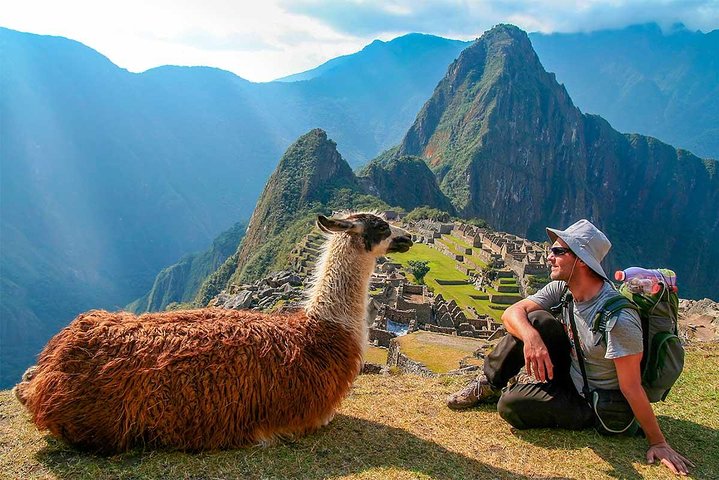 Grâce aux épisodes précédents et aux confidences faites à Anne-Sophie, nous savons à présent comment Paule Darmon a renoncé à son projet de film au profit d’un roman. Alors tendons à nouveau notre micro en direction de l’auteur…
Paule Darmon : « La première version de Retour à Fès fit l’unanimité de tous les éditeurs parisiens qui répondirent avec un ensemble touchant que mon roman ne correspondait pas à leur ligne éditoriale. Ignorant ce qu’était leur ligne éditoriale, je me remis au travail, étoffais les personnages, créais des situations, tout en continuant à me documenter sur le Maroc, la vie des juifs avant et après le Protectorat, etc… Mais pour une raison inconnue, je ne parvenais pas vraiment à m’y remettre, alors je décidais de reléguer mon texte au fond d’un tiroir.
La terre, cependant, continua de tourner, et moi avec.
Dans le cours de l’année 2001, je rencontrai une Argentine fraichement divorcée d’un Bolivien avec lequel elle avait vécu à Sucre, ville qu’elle disait si minuscule que, dans mon ignorance géographique, j’imaginai une bourgade composée de cinq maisons regroupées autour d’une église. Un lieu idéal en somme pour écrire sans être dérangée. La perspective de me remettre à mon Retour à Fès dans un village perdu au milieu de l’hémisphère sud-américain me parut soudain très excitante. Je me rendis dans une agence de voyages pour y acheter un Paris-Sucre valable six mois. La préposée m’expliqua alors, avec indulgence, que la ligne Paris-Sucre n’existait pas, mais qu’un Paris-Lima avec retour par Santiago du Chili me donnerait le temps et l’occasion de visiter le Machu Pichu.
Je visitai donc Lima et Nasca, essuyai un tremblement de terre force 7,9 à Arequipa et finis par rejoindre Cusco où, remise de mes émotions, je me mis au travail. Arrivée au premier tiers du roman, alors que je planchais sur un chapitre de mon Retour à Fès, je me sentis terrassée par une vague d’ennui insurmontable. Un état de fatigue que je n’avais encore jamais éprouvé et dont je ne parvenais pas à déterminer l’origine. Je relus mon chapitre, y apportai quelques corrections, mais dus me rendre à l’évidence : le Maroc m’ennuyait. Après tant de passion et de recherches, j’étais victime d’une surdose de Maroc. Je ne voulais plus entendre parler de Fès, du mellah, des Français, des Juifs et des Arabes. Jusqu’à la ténacité de ma vieille dame à redécouvrir un Maroc qui me semblait aussi convenu qu’un dépliant touristique. Je refermai mon ordinateur et, allongée sur le lit de ma chambre d’hôtel, je contemplai le plafond en me demandant ce que diable j’étais venue faire à Cusco et comment j’allais utiliser mes six mois de séjour dans l’empire des Incas. »
Paule Darmon va-t-elle totalement abandonner son projet de roman ? Bon, là, on triche, parce que vous savez que ce ne sera pas le cas. Mais ce que vous ne savez pas, c’est comment l’auteur a trouvé une idée pour relancer son récit et en faire une histoire planétaire où l’héroïne joue à saute-mouton par dessus les frontières… Vous le découvrirez demain, dans le prochain épisode 
Dimanche 31 décembre 2023
 Hier, nous avons laissé Paule Darmon dans un bled bolivien, tentant, malgré une overdose de Maroc, de mettre à profit une retraite de six mois pour terminer son roman dont le titre n’est pas encore « Cherche David éperdument ». Laissons-la nous raconter la suite.
Paule Darmon : « Je visitai donc le Machu Pichu ainsi que tous les temples alentour, entrepris une visite systématique des églises de la région et, arrivée à San Blas, ma cervelle se remit brusquement à fonctionner à la vue des ruelles en pente et des balcons bleus si semblables à ceux du mellah de Fès. Et si, me dis-je alors, au lieu de tourner en rond à travers le Maroc, ma vieille dame partait sur les traces de son David en Amérique latine ? Hein ? Un juif marocain dans les Andes, cela changerait du classique migratoire judéo-marocain. Et pour abracadabrante que fut cette idée, il me revenait de la transformer en réalité.
Je quittai donc Cusco, longeai le lac Titi Caca, passai la frontière et, de bus en autocars brinquebalants, gagnai La Paz.
Le désordre et la folle exubérance de cette ville m’enchantèrent. Y avait-il des Juifs en Bolivie ? Et si oui, d’où venaient-ils ? Comment avaient-ils atterri sur ces sommets vertigineux ? Tout en alignant les chapitres, je parcourus le pays du nord au sud et d’est en ouest et achevai le premier jet de « La route des andes » à mon retour à Paris.»
Voici donc que le scénario devenu manuscrit de roman change une première fois de titre… « Retour à Fès » devient « La route des Andes » Mais nous ne sommes encore qu’au milieu des années 2000, gageons que l’histoire n’est pas terminée. Vous l’aurez à présent compris : la suite demain.  (ce smiley c’est parce que nous sommes passés dans l’hémisphère sud)
(ce smiley c’est parce que nous sommes passés dans l’hémisphère sud)Lundi 1er janvier 2024
 Bonne année, les Antilopidæ, que 2024 vous apporte beaucoup de soleil et éloigne les ténèbres de votre vie…
Hier (en 2023 donc), nous avons laissé Paule Darmon dans les Andes au milieu des années 2000. Elle avait remanié totalement son manuscrit, il s’intitulait encore « La route des Andes ». Mais voilà que le destin s’est emparé d’elle. Écoutons-la se confier à nouveau à Anne-Sophie qui rallume son magnéto et tend son micro.
Paule Darmon : « En 2008, je décidai de m’installer à Buenos Aires où je me mis à peindre de grandes toiles colorées et appris à danser le tango argentin. Cette aventure extraordinairement enthousiasmante (qui dure toujours) m’a tellement happée qu’elle m’a détournée pour quelques années de la littérature.
En 2019, confinée pour cause de Covid et victime d’une crise d’inspiration picturale, je m’assis à nouveau devant mon ordinateur et bouclai en deux mois la première version de « Le Mossad et moi ». Je l’adressai à plusieurs maisons d’édition dont les éditions de l’Antilope dont des amis m’avaient dit du bien.
Les éditions de l’Antilope me firent attendre longtemps, mais leur réponse me combla de joie ! Le roman, rebaptisé « Robert De Niro, le Mossad et moi » sortit en septembre 2022 et reçut le meilleur accueil.
Profitant de la clémence inespérée des temps, je ressortis de mon tiroir le manuscrit de « La route des Andes » et le soumis à Anne-Sophie et Gilles qui l’acceptèrent avec enthousiasme.»
Il reste quatre jours avant la publication de « Cherche David éperdument ». Vous vous demandez sans doute comment le titre est passé de « La route des Andes » à « Cherche David éperdument ». Eh bien c’est ce que nous vous raconterons demain.
Mardi 2 janvier 2024
 Nous en sommes restés hier au moment où Paule Darmon est folle de joie car, après avoir publié « Robert De Niro, le Mossad et moi », nous décidons de publier son nouveau roman. Enfin pas si nouveau que cela puisque, comme elle nous l’a confié dans un épisode précédent, elle a eu l’idée de raconter cette histoire en … 1992.
Le manuscrit s’est d’abord appelé « retour à Fès » puis « La route des Andes », mais quand Paule nous a envoyé la version définitive, il avait déjà changé de titre. Il s’appelait « La senorita idéal ». Nous n’étions pas très partants pour ce titre car il nous semblait que, pour le comprendre, il fallait avoir lu le livre, et appris que cette phrase était la légende d’une photo déterminante dans l’histoire. Alors a commencé un chassé-croisé de messages WhatsApp, de mails, de conversations téléphoniques ou vidéo entre Buenos Aires et Paris afin de se mettre d’accord sur un titre.
Notre graphiste a dû refaire plusieurs fois la couverture (comme en témoigne l’image associée à ce post). Voilà la liste des titres auxquels vous avez échappé : Deuxième jeunesse, Un second souffle, La senorita idéal, L’amant de Fès, L’homme de Fès, À la recherche de David, En quête, La jeune fille de la photo, Où est passé David Cohen. Quand Paule Darmon a proposé « Cherche David désespérément », nous nous sommes dit que nous n’etions. À partir de ce moment, tous les adverbes y sont passés : Incessamment, Instamment, Follement, Obstinément… jusqu’à ce que Éperdument fasse l’unanimité. Ce serait « Cherche David éperdument ».
Mercredi 3 janvier 2024
 Once Paule Darmon handed us her final manuscript, it passed into the expert hands of Anne-Sophie, who did her little ant-like work. Some people imagine that the publisher simply receives a manuscript and sends it to layout before printing. Ah, but you’re wrong! Anne-Sophie sifts through the text to track down repetitions, improbabilities (but if the lady went out at seven o’clock in the evening, how could she have gotten sunburned?), and typos. Anne-Sophie likes the qui and the que, but without excess (the man I met at the bar told me he had to leave early). Anne-Sophie doesn’t love the qu’on, that makes qu’on qu’on, she prefers the que on. Anne-Sophie is very good at typography, she checks all the coat racks, briefcases, aircraft carriers, baby carriers, megaphones in a book she has kept handy for over forty years called Dictionary of the Difficulties of the French Language. She is unparalleled at opening and closing quotation marks, knowing when to write 18 or eighteen, and whether to write first world war, First World War or first World War (and if you could tell us in the comments the correct form?). She can give you a lesson so you know when to write Jewish without a capital letter and when with.
Once this work is done, Anne-Sophie sends the text to Cédric, the wonderful guy who also designs such beautiful covers for us. Cédric sends us the text formatted, exactly as it will be in the book. At this point, Gilles, who was the first to read the text when Paule Darmon felt it, rediscovered it. This involves rereading the proofs to make sure everything is in order before sending it to print.
And so, Gilles was once again captivated by the story of Claire falling in love with David. He was swept away by the scents of 1930s Morocco and all the other countries Claire travels through before and after desperately embarking on a search for her David. But at this point, neither Paule, Anne-Sophie, nor Gilles will tell you any more; they’ll let you discover the book…
[button link= »https://www.editionsdelantilope.fr/livre/cherche-david-eperdument/ » color= »orange »]Buy the book at L’Antilope[/button]
 Coup de sonnette. Le livreur entre, muni d’un bon de livraison. Douze cartons contenant vingt-quatre exemplaires s’empilent dans l’entrée.
 Et nous voilà partis pour un rendez-vous avec Laurent Lévy, du cabinet CBA comptable, recommandé par une amie. Celle-ci avait dit : « quand il parle, je comprends ce qu’il dit ».